

EXPO TIMELINE
175 YEARS OF EXPOS
From the Crystal Palace of the Great Exhibition in London to the Grand Ring of Expo 2025 Osaka, and beyond: find every Expo from 1851 to 2030, placed in the categorization system that governed it. We group them by era, so you can see how the rules changed.
1851-1933
Pre-Convention · 21 Expos
1935-1975
First system · 28 Expos
1981-2005
Second system · 14 Expos
2008-
Third system · 9 Expos


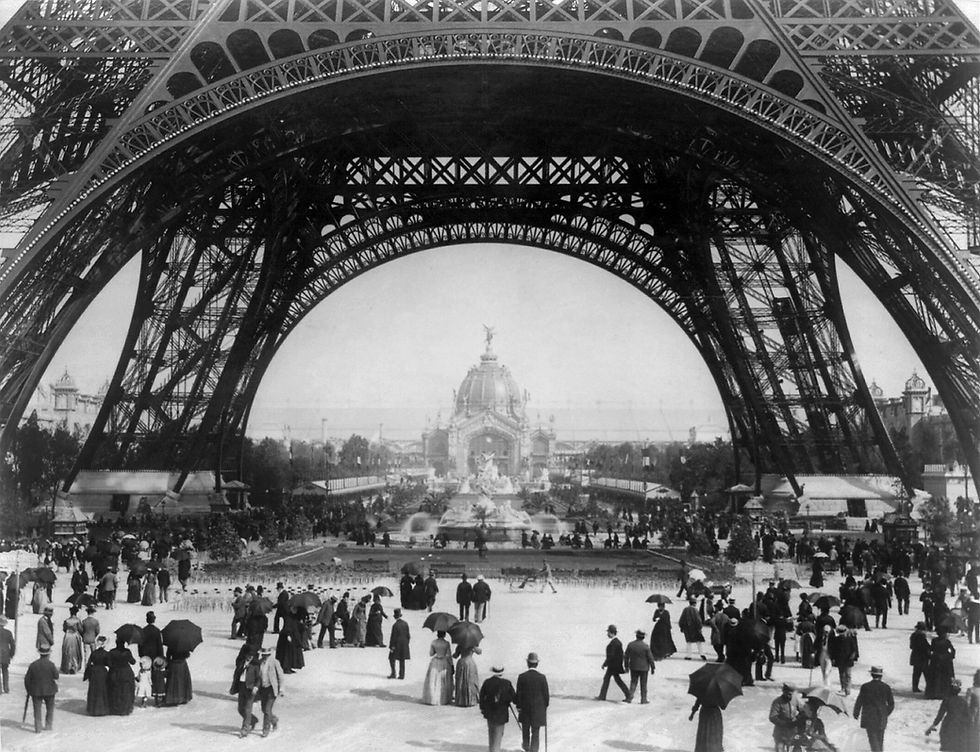


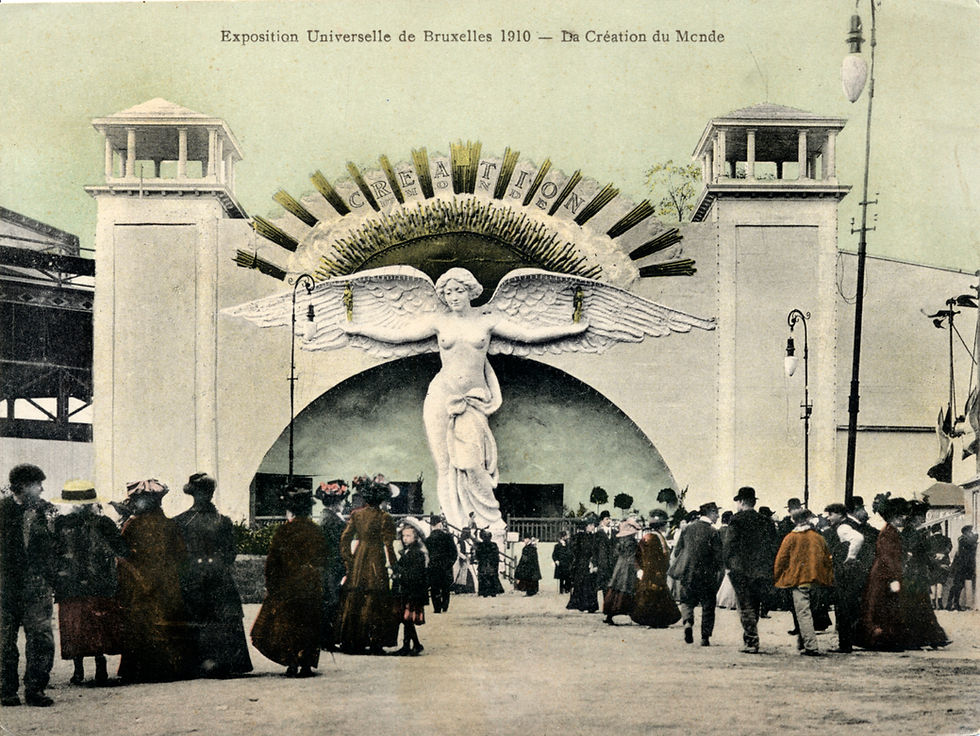


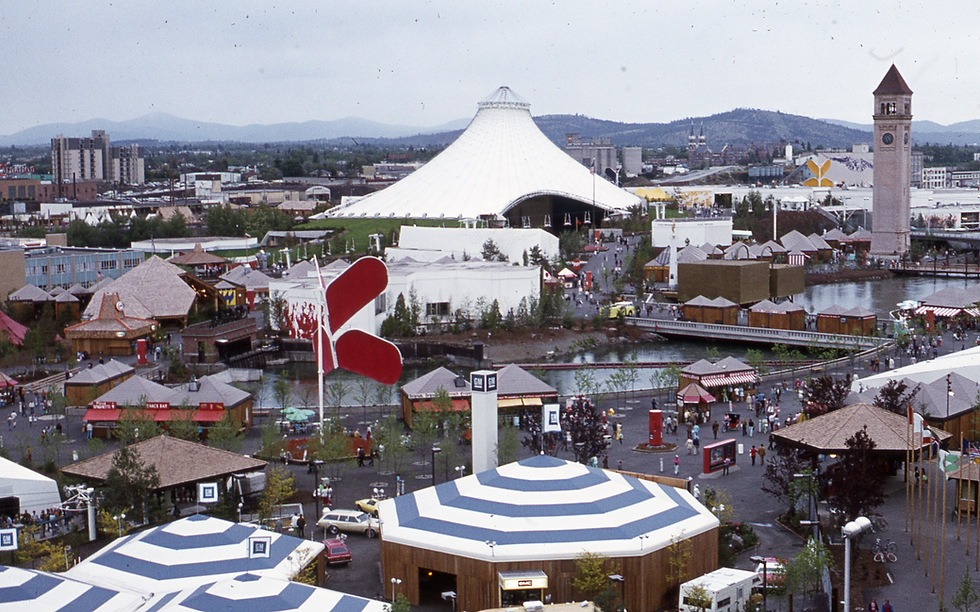


CATEGORY GUIDE
READING THE CATEGORIES
PRE-CONVENTION · 1851-1933
0.1
Pre-Convention
21 Expos, from Expo 1851 London to Expo 1933 Chicago.
RULES
No official international standard categorized Expos before the 1928 Convention.
FIRST SYSTEM · 1935-1975
1.1
General Exhibitions of the First Category
4 Expos: Expo 1935 Brussels, Expo 1958 Brussels, Expo 1967 Montreal and Expo 1970 Osaka.
PAVILIONS
Participants could build their own pavilions.
FREQUENCY
At least six years between two Expos of the same category.
1.2
General Exhibitions of the Second Category
4 Expos: Expo 1937 Paris, Expo 1939 New York, Expo 1949 Port-au-Prince and Expo 1962 Seattle.
PAVILIONS
Participants could not be induced to build their own pavilions.
FREQUENCY
At least six years between two Expos of the same category.
1.3
Special Exhibitions
20 Expos, from Expo 1936 Stockholm and Expo 1938 Helsinki to Expo 1975 Okinawa.
THEME
Illustrates a definite theme.
DURATION AND SIZE
Up to six months, with no limit on the size of the site.
LATER NAME
Redefined as specialized exhibitions by the 1972 Protocol.
SECOND SYSTEM · 1981-2005
2.1
Universal Exhibitions
2 Expos: Expo 1992 Seville and Expo 2000 Hannover.
ORIGIN
The 1972 Protocol, signed November 30, 1972, and in force since June 9, 1980, replaced the general exhibitions of the first and second categories with universal exhibitions.
FREQUENCY
An interval of 10 years between universal exhibitions.
TRANSITION
Expo 2000 Hannover opened after the 1988 amendment entered into force but kept the 1972 rules, because its candidacy began under them.
2.2
Specialized Exhibitions
12 Expos, from Expo 1981 Plovdiv to Expo 2005 Aichi.
ORIGIN
The 1972 Protocol, signed November 30, 1972, and in force since June 9, 1980, redefined special exhibitions as specialized exhibitions.
DURATION, SIZE AND FREQUENCY
Up to six months, with no limit on the size of the site. At least two years apart, barring exceptions allowed by the BIE.
TRANSITION
Expo 1998 Lisbon and Expo 2005 Aichi opened after the 1988 amendment entered into force but kept the 1972 rules, because their candidacies began under them. Japan applied for Expo 2005 Aichi on April 18, 1996, three months before the amendment took effect, and the BIE registered it as a specialized exhibition. Its six-month run and its year ending in 5 match the registered exhibitions that followed, so it is sometimes counted as the first of them.
THIRD SYSTEM · 2008 TO TODAY
3.1
Registered Exhibitions
5 Expos: Expo 2010 Shanghai, Expo 2015 Milan, Expo 2020 Dubai, Expo 2025 Osaka and Expo 2030 Riyadh.
ORIGIN
The 1988 amendment, adopted May 31, 1988, and in force since July 19, 1996, replaced universal exhibitions with registered exhibitions.
THEME
A universal challenge of our time.
DURATION AND FREQUENCY
Up to six months, every five years.
SIZE AND PAVILIONS
No maximum size. Participants may build their own pavilions or rent a dedicated space.
3.2
Recognized Exhibitions
4 Expos: Expo 2008 Zaragoza, Expo 2012 Yeosu, Expo 2017 Astana and Expo 2027 Belgrade.
ORIGIN
The 1988 amendment, adopted May 31, 1988, and in force since July 19, 1996, replaced specialized exhibitions with recognized exhibitions.
THEME
A precise subject of international interest.
DURATION AND FREQUENCY
Up to three months, held between two registered exhibitions.
SIZE AND PAVILIONS
Up to 25 hectares. Participants customize space provided by the organizer.
Canceled Expos
Some Expos were awarded to a host city and never opened, from Expo 1942 Rome to Expo 2023 Buenos Aires. Find out why they were canceled.
See the canceled Expos →
Bibliography
Bureau International des Expositions. “About Specialised Expos.” Accessed November 2, 2026. https://www.bie-paris.org/site/en/expos/specialised-expos/about-specialised-expos.
Bureau International des Expositions. “About World Expos.” Accessed November 2, 2026. https://www.bie-paris.org/site/en/about-world-expos.
General Regulations of the 2005 World Exposition, Aichi, Japan.
Ministry of Foreign Affairs of Japan. “History of the World Exposition.” Expo 2005 Aichi Japan. Accessed November 3, 2026. https://www.mofa.go.jp/j_info/expo2005/history.html.
United Kingdom. Amendment to the Convention Relating to International Exhibitions, Paris, May 31, 1988. Treaty Series No. 4 (2003). https://treaties.fcdo.gov.uk/data/Library2/pdf/2003-TS0004.pdf.
United Kingdom. Protocol Revising the Convention Relating to International Exhibitions, Paris, November 30, 1972. Treaty Series No. 21 (1983). https://treaties.fcdo.gov.uk/data/Library2/pdf/1983-TS0021.pdf.